Invasive Threats to Watch Out For
Invasive species are harmful to the environments they come in contact with due to their aggressive nature. This leads to plants overpopulating areas, spreading quickly, and harming the existing ecosystem. The common characteristics of these invasive species are their ability to spread, reproduce, adapt, and tolerate the environment. Continue reading to find out the most dangerous invasive species to Southern Illinois.
- Japanese Stiltgrass: First discovered growing in North America in Tennessee in 1919. Known as Chinese packing grass, this species was once used to pack crates for shipment of goods across the sea, which is likely how it was introduced.
- Autumn Olive: Introduced to the United States in the 1830s as an ornamental shrub. Now it is the most common woody invader of the
edge and open lands habitat throughout Southern Illinois.
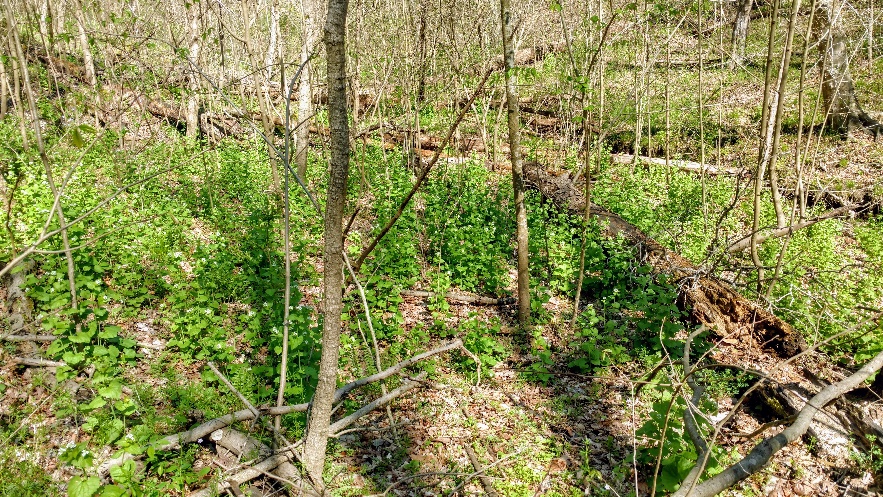
- Garlic Mustard: Introduced to the United States in 1868 by European immigrants wanting to bring a taste of home with them to the new country. Left unmanaged these plants cause large infestations disrupting the ecosystem around them.
- Japanese Honeysuckle: Brought to the United States in the 19th century as an ornamental plant. Now, it is not permitted to be sold under the Illinois Exotic Weed Act due to its invasive characteristics.
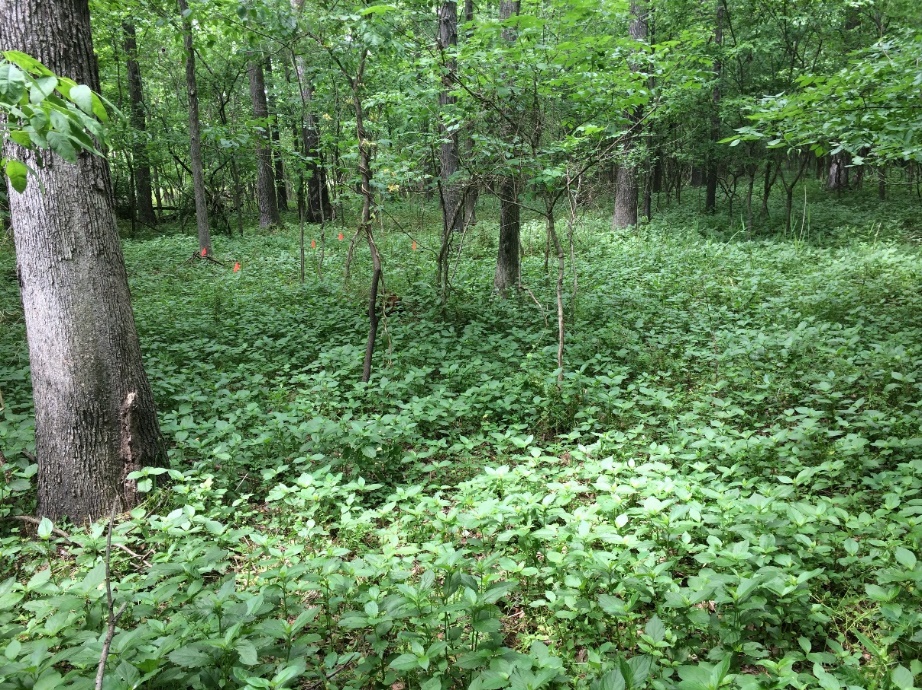
- Chaff Flower: Since its discovery in 1981 in Martin County, Kentucky, the Chaff flower has expanded through the Ohio River and Mississippi River flood plains. It has extraordinary adaptability and easily spreads.
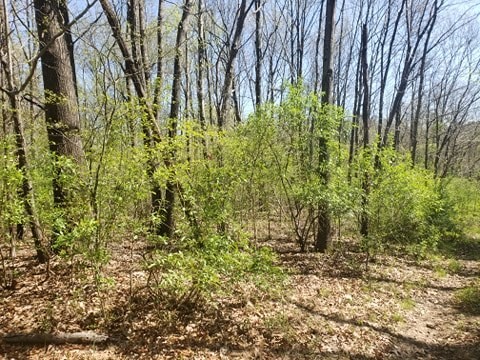
- Amur Honeysuckle: Introduced to the United States in the mid-1890s
as an ornamental shrub, it has since proved itself one of the most widely distributed invader in Illinois.